
Our service
ACP and Facade Cladding
Aluminium composite panel cladding and facade work that gives industrial and commercial buildings a clean, durable exterior.
- Factory and warehouse frontages
- Hospital and school buildings
- Malls, hotels and showrooms
- Office and institutional blocks
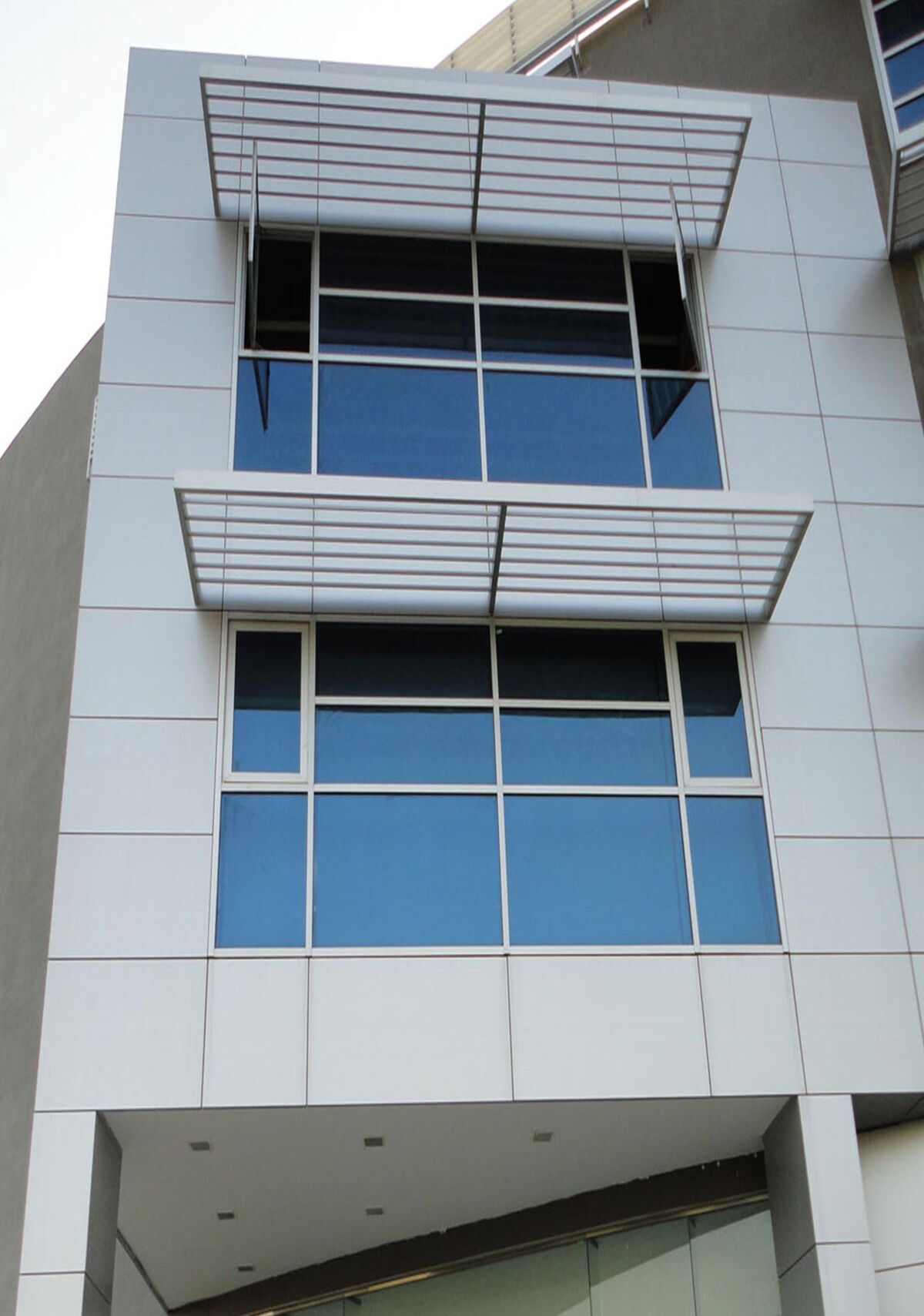
A well-detailed facade protects a building, gives it a professional look and is often the first thing visitors see. We supply and install ACP cladding and related facade elements such as louvres, sunshades and fins on factories, hospitals, schools, showrooms and commercial buildings.
What ACP is, and where it works well
An aluminium composite panel has two thin aluminium skins with a core between them. The skins are coated, usually with polyester or PVDF paint, which gives the colour and weather resistance. The panel is light, flat and easy to cut, fold and fix, which is why it is widely used for frontages, entrances, columns, parapets and signage bands.
It suits new frontages on factory offices and showrooms, re-cladding of tired buildings, canopies and entrance features, and tying together different elements of an elevation under one finish.
What we do
- ACP cladding on sub-frames for new and existing buildings.
- Aluminium louvres, sunshades and fins.
- Columns, corners, soffits and fascia bands.
- Joint sealing, flashing and weather detailing.
- Repair, panel replacement and refresh of existing facades.
- Coordination with glazing and aluminium work on the same elevation, see glazing and aluminium fabrication.
The decisions that matter
Panel core and fire performance. Panels differ in core material and in how they behave in a fire. Polyethylene-core panels are the least fire resistant. Fire-retardant and non-combustible mineral cores perform better. The National Building Code of India sets fire and life-safety requirements, and tall, public or high-occupancy buildings are the most tightly controlled. Ask every supplier for the manufacturer's test documents for the exact panel they propose, and agree the choice with your architect or fire consultant. Our guide to choosing ACP cladding for a factory facade lists the questions to ask.
Fixing system. The panel is only as good as the frame behind it. Common systems include routed-and-folded cassettes hung on a sub-frame, riveted fixings and bonded systems. The sub-frame may be aluminium or galvanised steel. The choice depends on the height, the wind exposure, the flatness of the wall and the look you want.
Joints and sealing. Most leaks and stains start at joints and edges. Open-joint (rainscreen) systems let the wall behind breathe and drain; closed-joint systems rely on sealant. Either way, the flashing and drainage details must be right.
Finish and colour. PVDF coatings generally hold colour longer than polyester, which matters on sunny, exposed frontages. Large panels from different batches can differ slightly in shade, so order the whole elevation at once.
Access. Facade work at height needs scaffolding, a suspended platform or a lift, plus fall protection and a clear working zone below. This affects cost and schedule and is part of the quote.
How the work runs
- Inspection and measurement of the elevation, the structure behind it and the access available.
- Design and drawings showing panel layout, joint lines, fixings, sub-frame and flashing, for your approval.
- Panel and sample approval, including finish, colour and fire documents.
- Sub-frame installation, checked for line, level and fixings.
- Panel fixing and sealing, working from approved drawings and checking alignment as we go.
- Quality checks and handover, including a walk-round of joints, corners and flashings and a cleaning of the finished surface.
Quality checks
- Sub-frame aligned and securely anchored before any panel goes on.
- Panel joints even and straight, corners tight, no oil-canning (waviness) beyond what the panel allows.
- Flashings and drip details in place at tops, bottoms, openings and corners.
- Sealant continuous and neat where used.
- Panels free of dents, scratches and adhesive marks at handover.
Common problems and how to avoid them
| Problem | Usual cause | How we avoid it |
|---|---|---|
| Wavy panels | Panels too thin for the size, uneven sub-frame | Right panel thickness and a straight, adjustable sub-frame |
| Leaks behind panels | Poor flashing, blocked drainage, failed sealant | Proper flashing details, clear drainage paths, checks before handover |
| Colour mismatch | Panels from different batches | Single order for the elevation, samples approved |
| Loose or lost panels | Wrong fixings, corrosion, wind uplift not considered | Fixings matched to wind exposure and materials |
| Staining below joints | Water running over untreated edges | Edge sealing and drip details |
Care and maintenance
Wash the facade periodically with water and a mild detergent, using a soft brush or sponge. Avoid abrasive cleaners and solvents. Check joints, sealant, fixings and flashings at least once a year, and after storms. Remove bird nests and debris from louvres and ledges. A short inspection report with photographs makes problems easy to track. See facade maintenance: what to inspect and our maintenance contracts.
What affects cost and time
Area and height, panel type and core, sub-frame material, the number of corners, openings and shaped elements, access equipment, and the schedule you need all affect cost. Fire-rated and non-combustible panels cost more than basic panels, and the difference is a matter of safety, not appearance. We list these items separately in the quote so that you can compare like with like.
Thinking about your frontage? Book a call and we will talk it through.
From our sites
Photos and videos
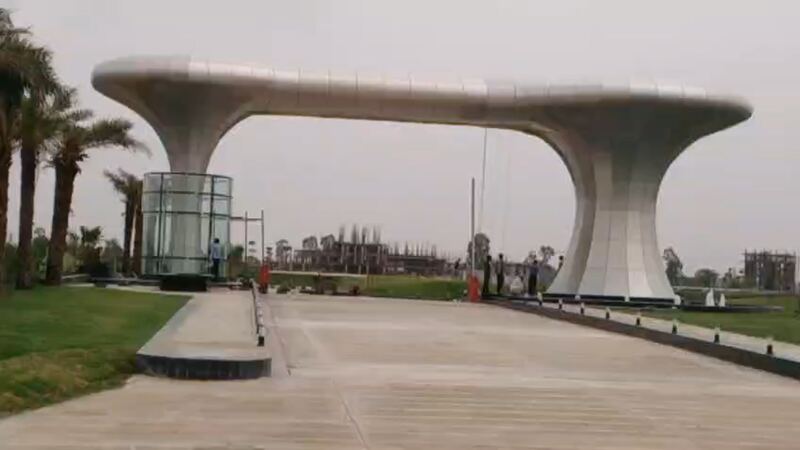
Gateway arch with glazed towers
A landscaped entrance gateway with a clad arch and cylindrical glazed towers, shown during construction, at fitting stage and finished, by day and night.
View photos and videos →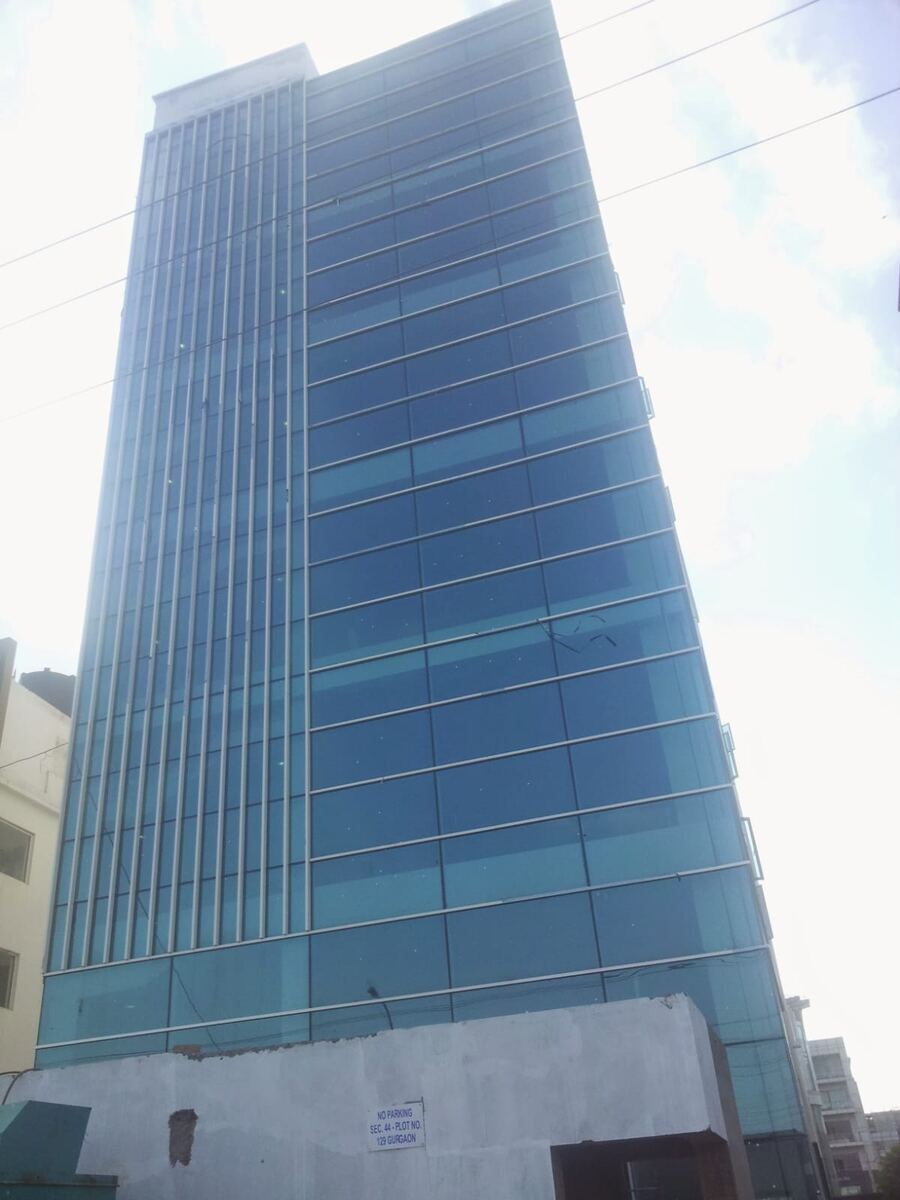
Glass curtain-wall facades
Two mid-rise buildings with full-height glazed facades and vertical fins.
View photos →Guides
Read more about acp cladding
ACP cladding · 5 min read
How to Choose ACP Cladding for a Factory Facade
Five questions to settle before you order aluminium composite panel cladding for an industrial building, and a checklist for comparing quotes.
Read the guide →maintenance · 5 min read
Facade Maintenance: What to Inspect and How Often
A practical inspection plan for glazing, ACP cladding, sealant and fixings, with what to look for, how often to look and when to call a specialist.
Read the guide →quotations · 4 min read
How to Read a Fit-out Quotation
What to compare when two or three contractors send proposals for a fit-out, and the warning signs in a quotation that looks too good.
Read the guide →Questions
ACP cladding: common questions
What is ACP cladding?
Is fire safety a concern with ACP?
Can you repair or replace existing cladding?
How long does ACP cladding last?
Can ACP be curved or shaped?
Do you need approval from the building owner or authorities?
More services
Related work
Aluminium fabrication
Aluminium partitions, windows, doors and frames, cut and finished in our own workshop and installed on site.
Glazing
Glass facades, glazed windows and doors in aluminium frames, supplied, fitted and sealed with care for safety and weatherproofing.
False ceilings
Gypsum board, POP and aluminium false ceilings for offices, hospitals, schools, showrooms and hotels.
Civil and fit-out
Civil jobs and interior fit-out that bring partitions, ceilings, flooring and finishes together under one responsible team.
Planning a project? Let us talk it through.
Tell us what you have in mind. We will call you, visit the site and put the scope, schedule and cost in writing.