
Our service
Aluminium Fabrication and Partitions
Aluminium partitions, windows, doors and frames, cut and finished in our own workshop and installed on site.
- Factory offices and control rooms
- Hospital wards and consulting rooms
- School and college blocks
- Showrooms and shopfronts
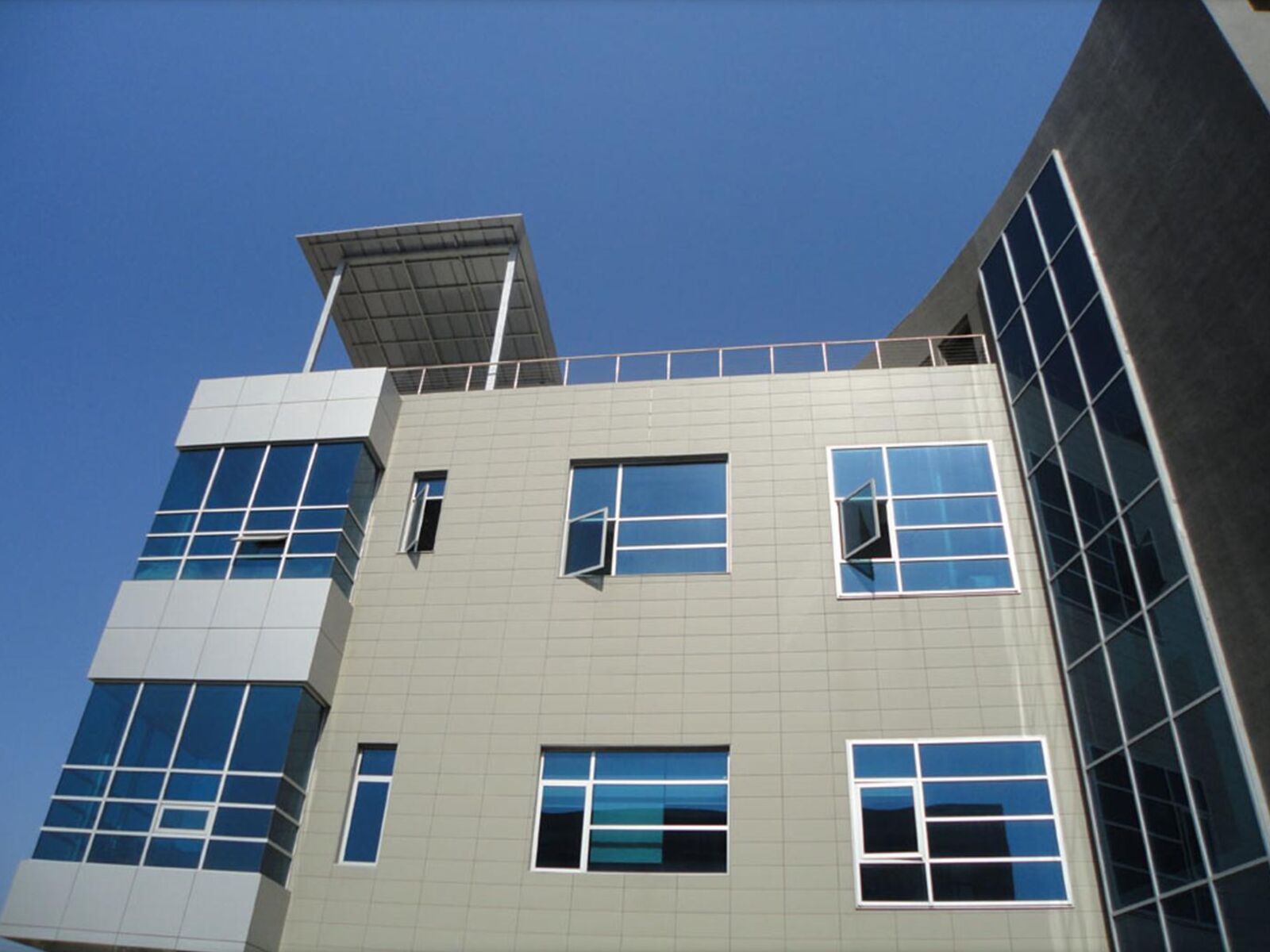
Aluminium is the working material of modern partitions, windows, doors and glazed frames. It is light, resists corrosion, can be extruded into precise sections and takes a long-lasting finish. We fabricate it in our Sonepat workshop and install it in factories, hospitals, schools and commercial buildings.
What we fabricate and install
| Item | Typical use | Notes |
|---|---|---|
| Glass partitions | Office cabins, meeting rooms, control rooms, clinic rooms | Fixed glass in aluminium frames, with hinged or sliding doors |
| Solid and glazed combination partitions | Offices that need privacy and light | Lower panels in board or laminate, upper panels in glass |
| Windows | Offices, wards, classrooms | Fixed, casement, sliding and top-hung types |
| Doors | Entrances, cabins, plant rooms | Hinged, sliding, folding and fire-exit doors where the system allows |
| Shopfront and showroom frames | Showrooms, malls, banks | Larger glass sizes, heavier sections, door hardware chosen for traffic |
| Frames for cladding and louvres | Facades and sun control | See ACP and facade cladding |
Choosing the right system
Four decisions shape a good aluminium installation. We settle them with you before any material is ordered.
1. The section. Aluminium comes in extruded sections of different depths and wall thicknesses. A wide window or a tall partition needs a deeper, thicker section than a small one. Using a section that is too light is the commonest cause of sagging, rattling and sticking doors.
2. The finish. Powder coating gives a wide choice of colours and a durable surface. Anodising gives a metallic look and a hard surface. Coastal air, industrial fumes and cleaning chemicals all affect how a finish ages, so tell us about the environment.
3. The glass. Glass is chosen for safety, privacy, heat and sound, not only appearance. Toughened glass is the usual choice where people can walk into it. Laminated glass holds together when broken. Insulated (double-glazed) units reduce heat and noise. Our guide to choosing glass for office glazing explains the options.
4. The hardware. Hinges, rollers, locks and closers decide how a door or window feels after a year of use. Better hardware costs more at the start and far less in repairs.
How the work runs
- Site visit and measurement. We measure each opening and note the floor, ceiling and wall conditions, services, access routes and working hours.
- Drawing and quote. You receive an itemised quote with sizes, section system, glass type, finish and hardware, and a written schedule. For larger jobs we send shop drawings for approval.
- Samples. We show finish and glass samples where colour or appearance matters.
- Workshop fabrication. Sections are cut, drilled, assembled and checked against the drawing before they leave the workshop.
- Installation. Frames are fixed, levelled and plumbed, glass is set, and joints are sealed.
- Testing and handover. Every door and window is operated, adjusted and cleaned. We note anything that needs touching up and close it before handover.
What we need from you: access to the site, the approved drawing or layout, the finish and glass choice, a named contact on site, and any rules about working hours, hot work or dust.
Quality checks
- Openings checked for size, level and plumb before fabrication, and again on site before fixing.
- Corners and joints checked for tight fit and clean finish.
- Glass checked for the right type, thickness and edge condition before it is set.
- Sealant joints checked for continuity, with no gaps and no smearing.
- Doors and windows tested for smooth operation, locking and alignment.
- Finish checked for scratches and damage, with protective film removed only at handover.
Common problems and how to avoid them
| Problem | Usual cause | How we avoid it |
|---|---|---|
| Door drags or sticks | Frame out of square, sagging, weak section or wrong hardware | Correct section, level fixing, hardware matched to door weight |
| Rattling glass | Missing gaskets or packing | Proper glazing gaskets and setting blocks |
| Water leaks at windows | Missing or poor sealant, blocked drainage slots | Continuous sealing, clear drainage paths, checks before handover |
| Finish peeling or fading | Wrong finish for the environment, damage during work | Finish chosen for the location, protective film during installation |
| Noise through a partition | Gaps at floor, ceiling or door | Sealed perimeter, glass thickness chosen for the need |
Care and maintenance
Wipe glass and frames with a soft cloth and mild cleaner. Avoid abrasive pads and strong acids on powder-coated or anodised surfaces. Keep drainage slots in window frames clear. Once or twice a year, check hinges, rollers and locks, tighten loose fixings and re-seal any joint that has opened. We can include this in a maintenance contract.
What affects cost and time
The main drivers are the area and number of openings, the section system, the glass type, the finish, the hardware, the height and access (scaffolding or lifting equipment), and how much work has to happen outside normal hours. Changes to the layout after fabrication has started cost more than changes made at the drawing stage, so we ask you to confirm the layout early.
Planning partitions, doors or windows? Discuss your requirement with us.
From our sites
Photos and videos
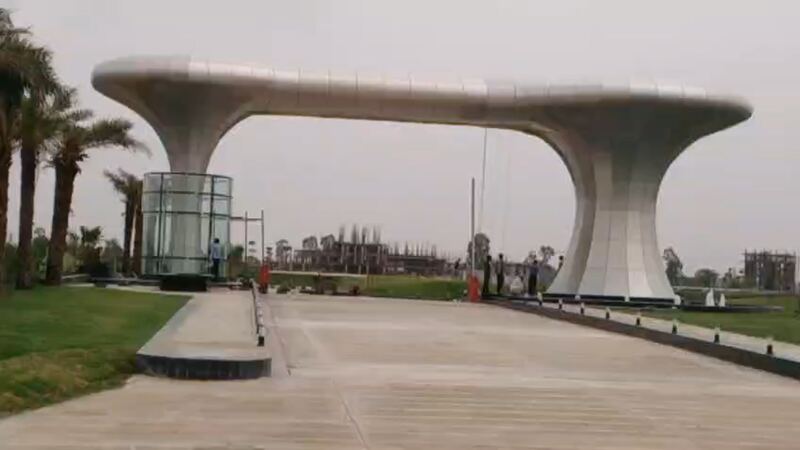
Gateway arch with glazed towers
A landscaped entrance gateway with a clad arch and cylindrical glazed towers, shown during construction, at fitting stage and finished, by day and night.
View photos and videos →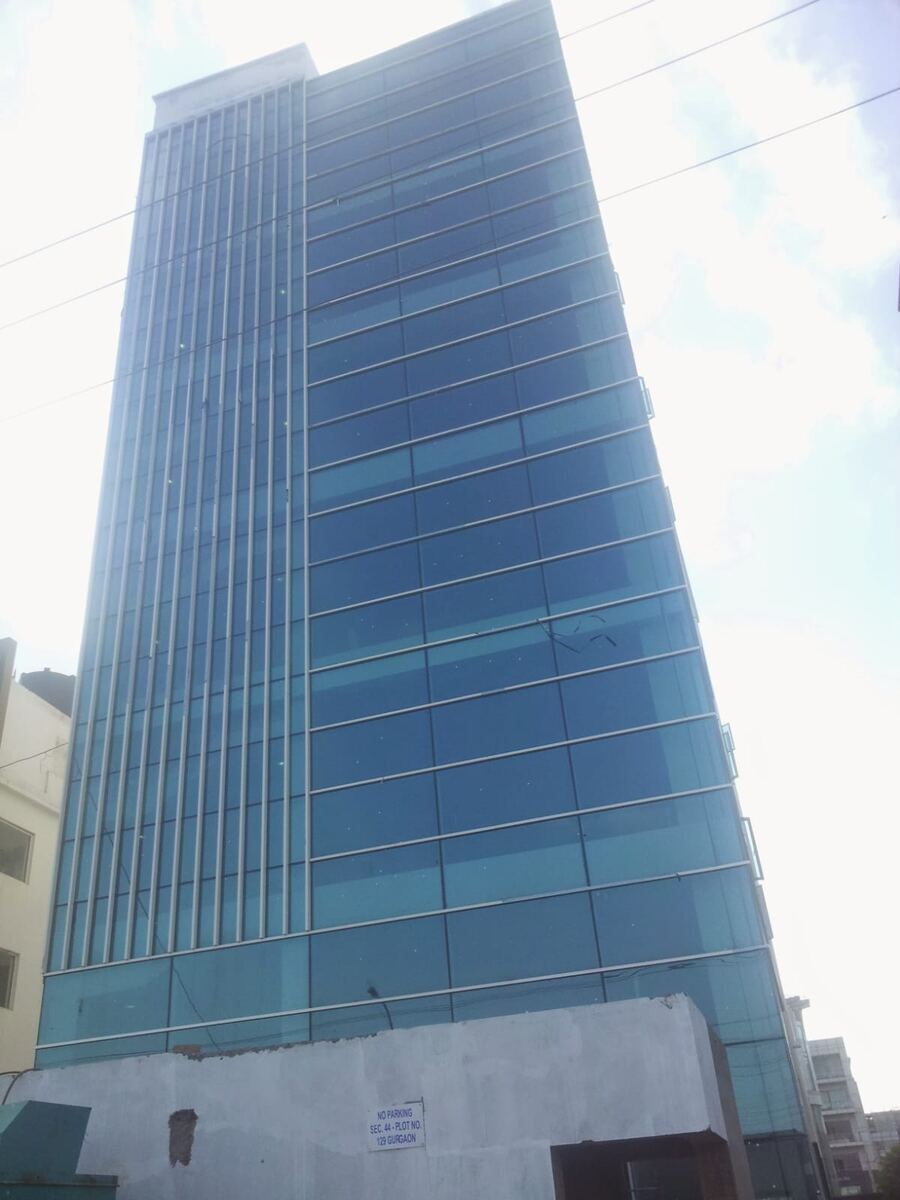
Glass curtain-wall facades
Two mid-rise buildings with full-height glazed facades and vertical fins.
View photos →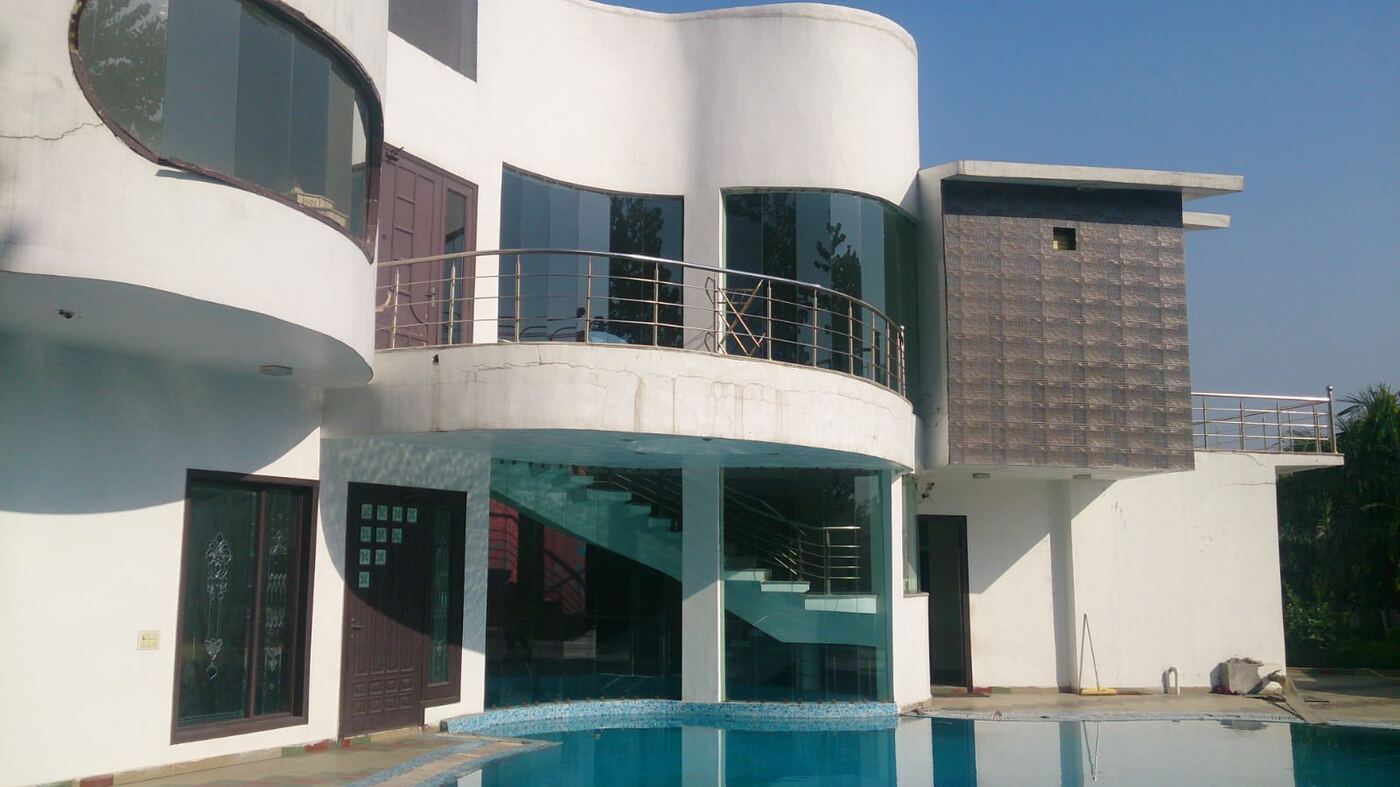
Residence with curved glazing
A residence with pebble-stone cladding and curved, arched and round windows around a swimming pool.
View photos →Guides
Read more about aluminium fabrication
partitions · 5 min read
Aluminium Partitions or Brick Walls for Factory Offices?
When a framed aluminium and glass partition is the better choice for an office inside a plant, when masonry is, and how to decide.
Read the guide →glazing · 5 min read
Choosing Glass for Office Glazing: Toughened, Laminated or Double-glazed?
A plain-language guide to glass types for partitions, windows and facades: what each does, where it is used and the questions to ask before you order.
Read the guide →quotations · 4 min read
How to Read a Fit-out Quotation
What to compare when two or three contractors send proposals for a fit-out, and the warning signs in a quotation that looks too good.
Read the guide →Questions
Aluminium fabrication: common questions
Do you fabricate in your own workshop?
Can you work from an architect's drawing?
What finishes are available?
Is an aluminium partition strong enough for a factory office?
Can a partition be moved later?
How long does an installation take?
More services
Related work
ACP cladding
Aluminium composite panel cladding and facade work that gives industrial and commercial buildings a clean, durable exterior.
Glazing
Glass facades, glazed windows and doors in aluminium frames, supplied, fitted and sealed with care for safety and weatherproofing.
False ceilings
Gypsum board, POP and aluminium false ceilings for offices, hospitals, schools, showrooms and hotels.
Civil and fit-out
Civil jobs and interior fit-out that bring partitions, ceilings, flooring and finishes together under one responsible team.
Planning a project? Let us talk it through.
Tell us what you have in mind. We will call you, visit the site and put the scope, schedule and cost in writing.