
Our service
Glazing, Windows and Doors
Glass facades, glazed windows and doors in aluminium frames, supplied, fitted and sealed with care for safety and weatherproofing.
- Staircase and stair-tower glazing
- Office and hospital windows
- Entrances and lobbies
- Showroom display glazing
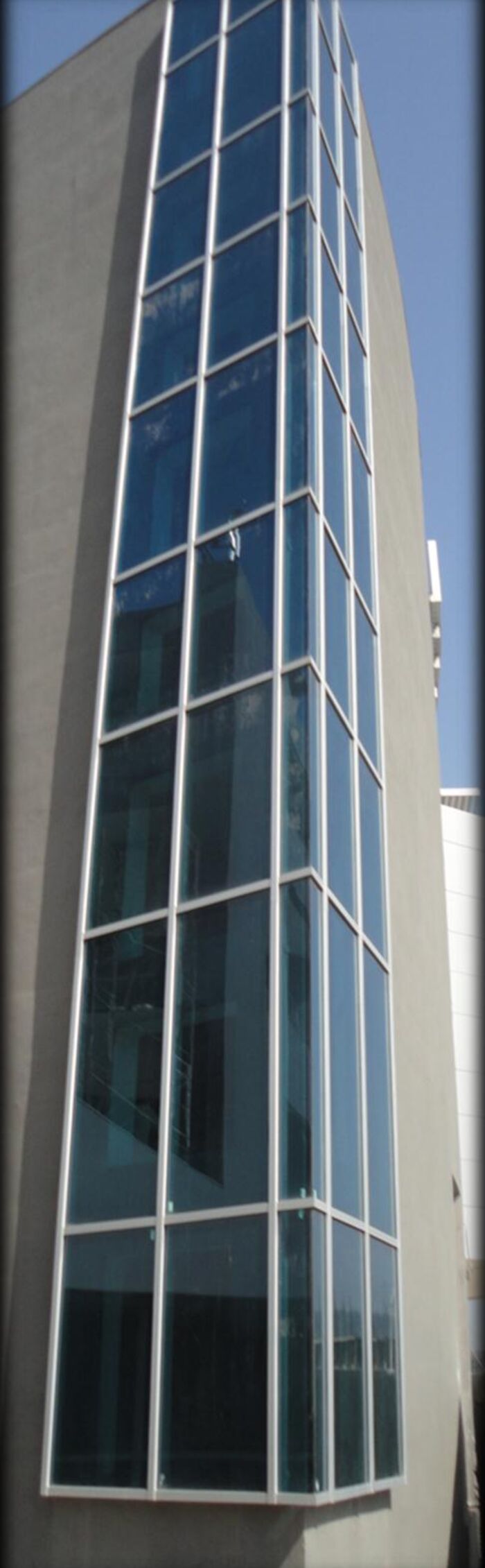
Glass brings daylight and a modern appearance, and the frames and sealing decide how well it performs. We supply and install glazing in aluminium frames, from small windows to tall glazed elevations and curved enclosures.
What we do
- Fixed and openable windows in aluminium frames.
- Glazed doors, entrances and lobby screens.
- Glass partitions, see aluminium fabrication.
- Glazed stair towers, lift enclosures and curtain-wall style elevations.
- Cylindrical and curved glazed enclosures.
- Re-glazing, sealing and replacement of cracked, misted or leaking units.
- Coordination with cladding and partition work on the same building.
See the photos and videos from our sites for examples of curved glazing, glass facades and a glazed gateway structure.
Choosing the glass
Glass is chosen for safety first, then for comfort and appearance.
| Glass type | What it does | Typical use |
|---|---|---|
| Clear float | Plain, highest light transmission | Interior glazing where safety rules allow |
| Toughened (tempered) | Stronger, breaks into small blunt pieces | Doors, partitions, low-level glazing, balustrades |
| Laminated | Two or more layers bonded with an interlayer; stays together when broken | Overhead glazing, schools, hospitals, security, sound reduction |
| Tinted and reflective | Reduces glare and some heat | Sunny elevations, offices and showrooms |
| Insulated glass unit (double glazing) | Two panes with a sealed gap; reduces heat flow and noise | Air-conditioned buildings, noisy roads, harsh sun |
| Coated (low-emissivity) glass | Reflects heat while letting light through | Energy-conscious facades |
Thickness depends on the size of the pane, its height above ground and the wind exposure. Large panes and tall buildings need engineered selection, not rules of thumb. Our guide to choosing glass for office glazing explains the options in plain language.
Frames and fixing
Most of our glazing is in aluminium frames with glass held by gaskets or sealant. The frame's section, the glass weight and the opening size must match. Larger glazed areas need deeper frames, intermediate supports and fixings into sound structure. Frames are fixed to the building with anchors suited to the wall material, and the gap between frame and wall is sealed against water and air.
How the work runs
- Site visit. We measure openings and check structure, access, working height and surroundings.
- Specification. We propose glass type and thickness, frame section, finish, hardware and opening types.
- Drawings and samples for larger or more visible jobs.
- Fabrication of frames in our workshop and ordering of glass cut to size.
- Installation. Frames are fixed and levelled, glass is set with gaskets and setting blocks, and joints are sealed.
- Checks and handover. Operation, drainage, sealing and cleanliness are checked, and the glass is cleaned.
Safety on site
Glass is heavy and edges are sharp. We plan lifting, handling and storage before delivery, keep the area below the work clear, use suitable lifting equipment and trained fitters, and mark or protect new glass so people do not walk into it. For work at height we plan access, fall protection and exclusion zones.
Common problems and how to avoid them
| Problem | Usual cause | How we avoid it |
|---|---|---|
| Leaks around frames | Poor perimeter sealing, blocked drainage | Continuous sealant, clear drainage slots, check by water test where needed |
| Condensation or misting between panes | Failed seal in an insulated unit | Good-quality units, careful handling, correct glazing method |
| Glass cracking | Edge damage, frame stress, thermal stress | Edge checks, correct setting blocks, glass chosen for exposure |
| Rattling or movement | Missing gaskets or loose beads | Correct gaskets and tight glazing beads |
| Hard-to-open windows | Frame out of square, wrong hardware | Level fixing and hardware matched to the sash weight |
Care and maintenance
Clean glass with a soft cloth and a mild glass cleaner. Do not use blades or abrasive pads. Keep frame drainage slots free of dust and debris. Check sealant and gaskets each year, and replace any that have cracked, shrunk or lifted. Replace cracked panes promptly because a crack can spread. See facade maintenance and our maintenance contracts.
What affects cost and time
Glass type and thickness, pane size, frame section and finish, hardware, height and access, the number of openings and the lead time for glass all affect cost and schedule. Curved glass and large insulated units have longer lead times. We list the items separately so that you can compare options.
Planning glazing? Talk to us about your openings.
From our sites
Photos and videos
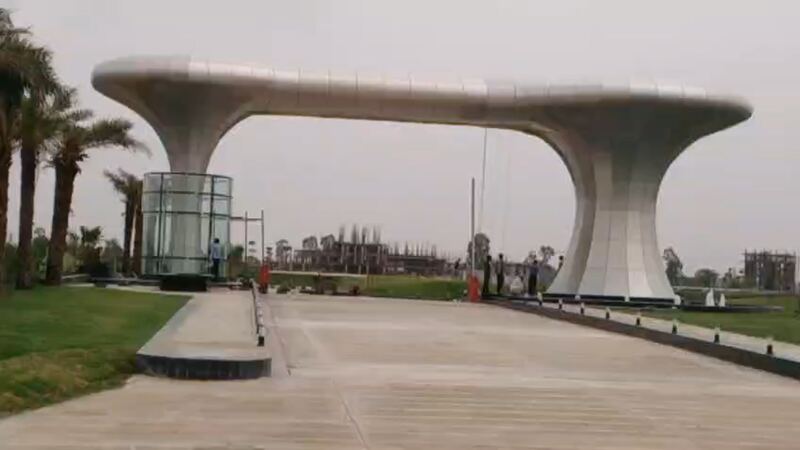
Gateway arch with glazed towers
A landscaped entrance gateway with a clad arch and cylindrical glazed towers, shown during construction, at fitting stage and finished, by day and night.
View photos and videos →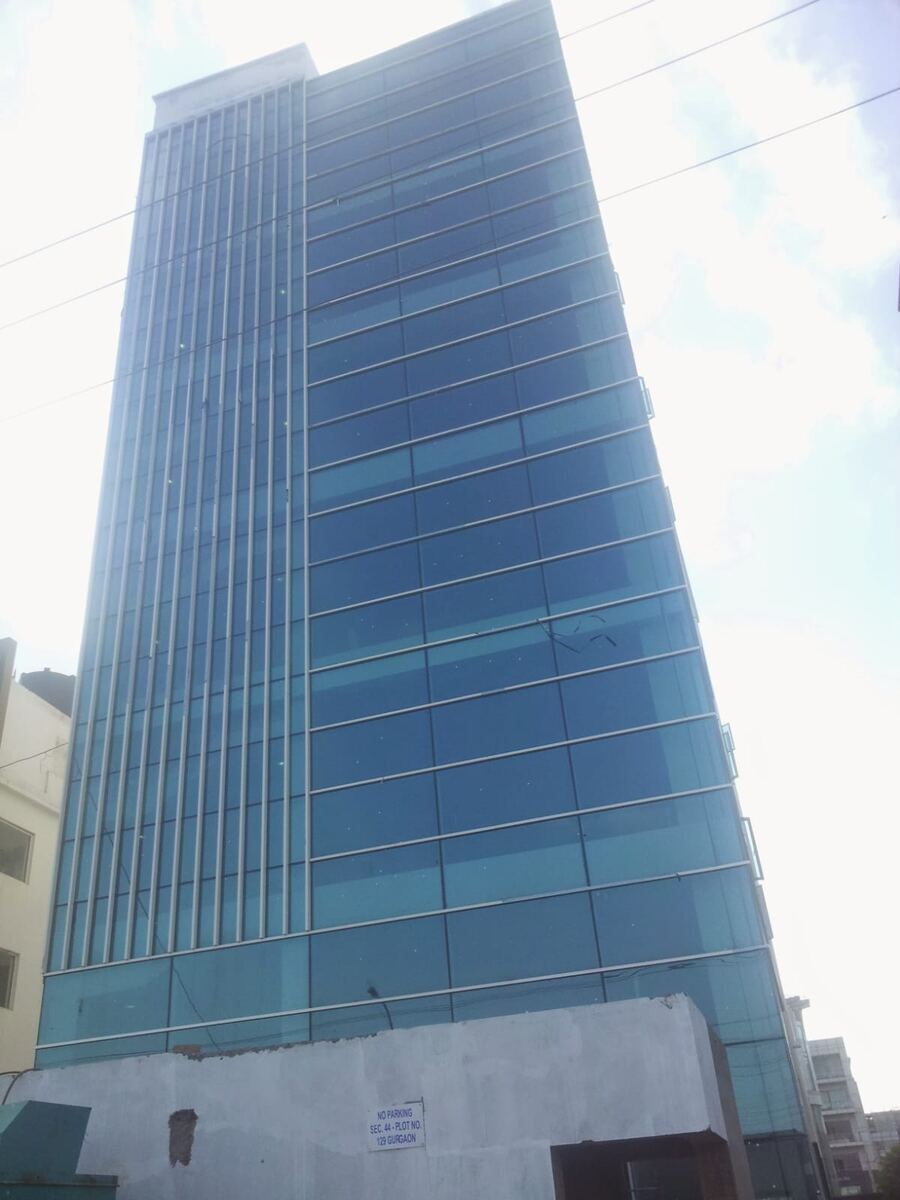
Glass curtain-wall facades
Two mid-rise buildings with full-height glazed facades and vertical fins.
View photos →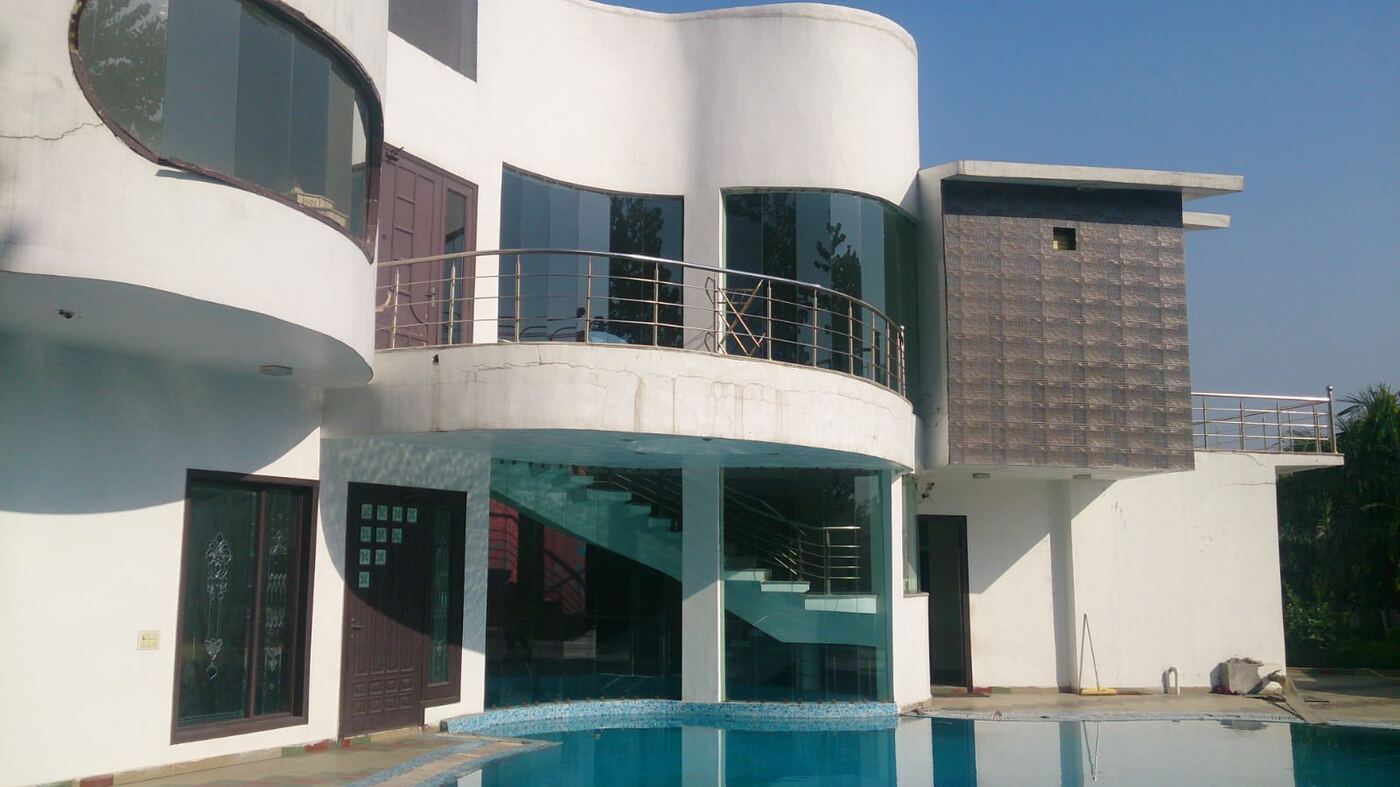
Residence with curved glazing
A residence with pebble-stone cladding and curved, arched and round windows around a swimming pool.
View photos →Guides
Read more about glazing
glazing · 5 min read
Choosing Glass for Office Glazing: Toughened, Laminated or Double-glazed?
A plain-language guide to glass types for partitions, windows and facades: what each does, where it is used and the questions to ask before you order.
Read the guide →maintenance · 5 min read
Facade Maintenance: What to Inspect and How Often
A practical inspection plan for glazing, ACP cladding, sealant and fixings, with what to look for, how often to look and when to call a specialist.
Read the guide →partitions · 5 min read
Aluminium Partitions or Brick Walls for Factory Offices?
When a framed aluminium and glass partition is the better choice for an office inside a plant, when masonry is, and how to decide.
Read the guide →Questions
Glazing: common questions
What kinds of glass can you supply?
Can existing windows be replaced without disturbing the wall finish?
When do I need toughened or laminated glass?
Will double glazing reduce my electricity bill?
Why do glass panes crack after installation?
Can you glaze curved or tall elevations?
More services
Related work
Aluminium fabrication
Aluminium partitions, windows, doors and frames, cut and finished in our own workshop and installed on site.
ACP cladding
Aluminium composite panel cladding and facade work that gives industrial and commercial buildings a clean, durable exterior.
False ceilings
Gypsum board, POP and aluminium false ceilings for offices, hospitals, schools, showrooms and hotels.
Civil and fit-out
Civil jobs and interior fit-out that bring partitions, ceilings, flooring and finishes together under one responsible team.
Planning a project? Let us talk it through.
Tell us what you have in mind. We will call you, visit the site and put the scope, schedule and cost in writing.